
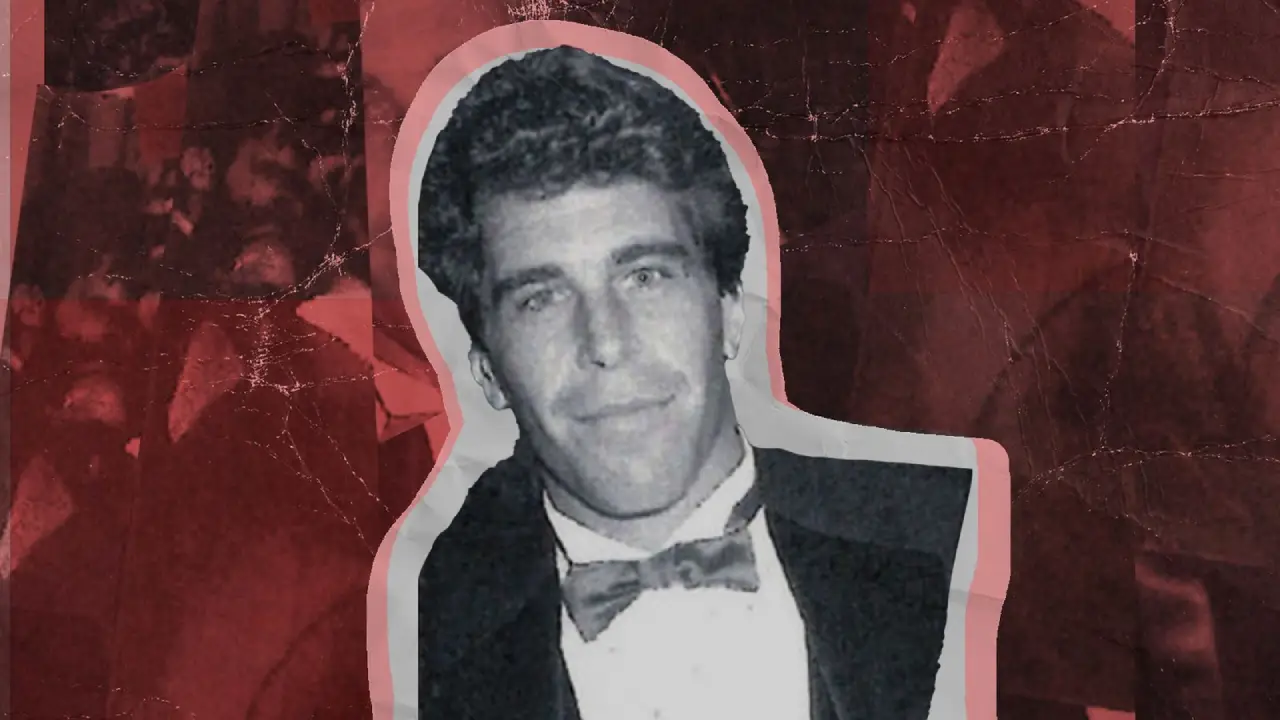
Jeffrey Epstein was an American financier who became the subject of extensive criminal investigations related to sex trafficking and sexual abuse of minors. His case drew global attention due to the scope of the allegations, his connections to influential individuals, and the circumstances surrounding his death in federal custody in 2019.
| Born | Jeffrey Edward Epstein January 20, 1953 New York City, U.S. |
|---|---|
| Died | August 10, 2019 (aged 66) New York City, U.S. |
| Cause of death | Suicide by hanging (official ruling) |
| Nationality | American |
| Occupation | Financier |
| Criminal charges |
2008: Solicitation of prostitution involving a minor 2019: Federal sex trafficking charges |
| Criminal penalty | 13 months’ imprisonment (2008 plea agreement) |
| Associate | Ghislaine Maxwell (convicted 2021) |
Early Life and Career
Jeffrey Epstein was born in 1953 in New York City. He began his professional life working in education before transitioning into the financial sector. Over time, Epstein portrayed himself as a wealthy financier managing assets for high-net-worth individuals, though the precise source and structure of his wealth were never fully transparent.
By the 1990s and early 2000s, Epstein had established a high-profile social network, which included business leaders, academics, politicians, and celebrities.
Criminal Investigations and Charges
Epstein first came under law-enforcement scrutiny in the mid-2000s, when authorities began investigating allegations that he had sexually abused underage girls at his residences.
- In 2008, Epstein entered into a controversial plea agreement related to state charges in Florida. The deal later became the subject of widespread criticism and legal review.
- In 2019, Epstein was arrested by federal authorities in New York on charges of sex trafficking of minors. Prosecutors alleged that he operated a long-running scheme involving the exploitation of underage girls.
Death in Federal Custody
While awaiting trial, Epstein was found dead in his jail cell in August 2019. Medical examiners officially ruled his death a suicide.
His death ended the federal criminal case against him but intensified public scrutiny, leading to questions about:
- How earlier investigations were handled
- Whether others were involved in his crimes
- Why he was able to avoid more severe punishment for years
Public Attention and the Epstein Files
Following Epstein’s death, attention shifted to the Epstein Files—a broad collection of court documents, investigative records, and government disclosures related to his criminal cases.
Public interest focused on:
- What information was contained in these records
- Which individuals were named and in what context
- How law-enforcement agencies conducted their investigations
During the second administration of Donald Trump, calls for the release of Epstein-related records became a national political and public discussion, ultimately resulting in congressional action requiring document disclosures.
Legal Context and Clarifications
It is important to understand that:
- Being named in Epstein-related documents does not imply guilt or wrongdoing
- Many records contain redactions to protect victims and privacy
- Allegations referenced in filings are not facts unless confirmed by a court
The Epstein Files primarily document investigative and legal processes, not conclusions about all individuals mentioned.
Why Jeffrey Epstein’s Case Matters
Epstein’s case is significant because it:
- Highlighted failures and controversies in criminal justice handling
- Exposed gaps in accountability for powerful individuals
- Prompted legislative action related to transparency
- Sparked broader conversations about victim protection and abuse of power
His case remains a reference point in discussions about law enforcement, transparency, and institutional responsibility.